Serengeti National Park: Complete Travel Guide
Planning a visit to the Serengeti wildebeest migration destination? The Serengeti National Park is Tanzania oldest and most famous national park, covering 14,750 square kilometers of endless plains, woodlands, and rivers. A Serengeti wildebeest migration destination offers the chance to witness the greatest wildlife spectacle on Earth. This comprehensive guide covers everything you need to know about visiting this iconic park.
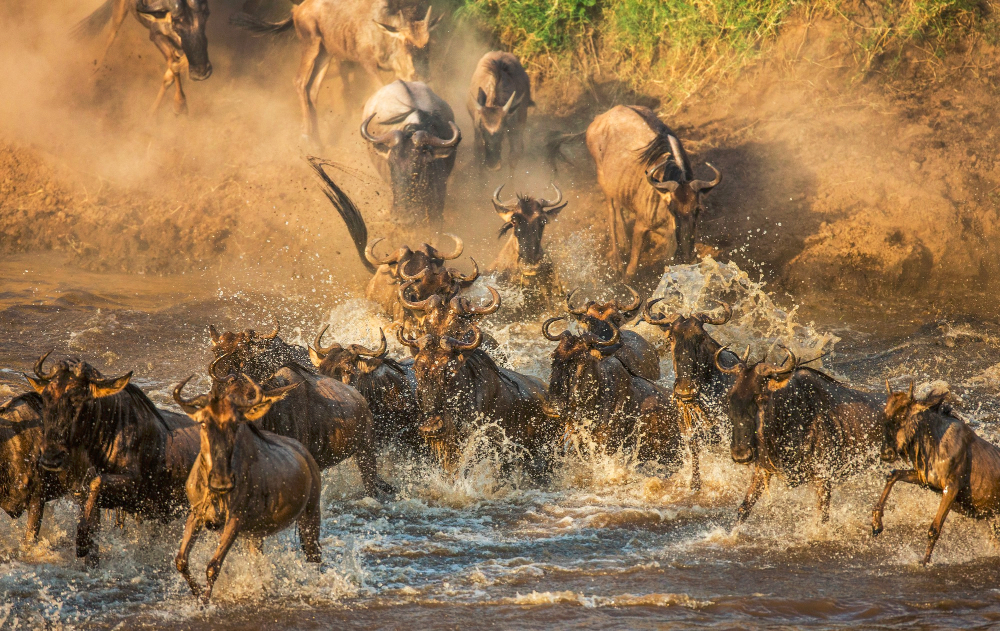
The Serengeti migration safari is famous for its annual wildebeest migration, where over 1.5 million animals move in search of fresh grazing. The name Serengeti comes from the Maasai word “siringet” meaning endless plains. A Serengeti wildebeest migration destination offers incredible wildlife viewing year round, from the calving season in the south to the river crossings in the north.
Overview of Serengeti National Park
Serengeti National Park was established in 1951 and is a UNESCO World Heritage Site. The park is divided into three distinct regions: the southern Serengeti (plains), the central Serengeti (Seronera), and the northern Serengeti (Lobo). Each region offers different wildlife viewing opportunities and landscapes. A Serengeti wildebeest migration destination is best experienced by visiting multiple regions depending on the season.
The Serengeti is home to over 2,500 lions, 1,000 leopards, and 500 cheetahs, making it one of the best places in Africa for predator viewing. The park also has over 500 bird species, including ostriches, secretary birds, and various eagles. A Serengeti wildebeest migration destination offers some of the most spectacular wildlife photography opportunities in the world.
Location and How to Get There
Serengeti National Park is located in northern Tanzania, approximately 335 kilometers from Arusha. Most visitors fly into Kilimanjaro International Airport (JRO) or Arusha Airport (ARK), then take a domestic flight to one of the Serengeti airstrips. The flight takes 1 to 2 hours depending on which airstrip you land at.
You can also drive from Arusha to the Serengeti, which takes 6 to 8 hours. The drive passes through the Ngorongoro Conservation Area and offers stunning views of the crater highlands. A 4×4 vehicle is essential for the drive, especially during the rainy season.
For those interested in Serengeti Ngorongoro combined safari, the two parks are adjacent and can easily be visited together. The drive from the Serengeti to the Ngorongoro Crater rim takes 3 to 4 hours.
Best Time to Visit Serengeti
The best time for a Serengeti wildebeest migration destination depends on what you want to see. The dry seasons from June to October and December to February offer the best wildlife viewing conditions. During these months, animals concentrate around water sources, making them easier to spot.
The wet seasons from March to May and November bring lush green landscapes and fewer tourists. However, roads can be muddy, and some animals may be harder to spot. This is a good time for bird watching, as many migratory species are present.
For the wildebeest migration, the best time to visit the Serengeti is from December to July. The calving season from January to February offers dramatic predator action, while the river crossings from June to July are spectacular.
Wildlife in Serengeti National Park
The Serengeti is home to over 4,000 lions, 1,000 leopards, 500 cheetahs, and thousands of elephants, buffalo, giraffes, zebras, and wildebeest. A Serengeti wildebeest migration destination offers the chance to see the Big Five: lions, leopards, elephants, buffalo, and rhinos.
The Great Wildebeest Migration
The Great Migration is the most spectacular wildlife event in Africa. Over 1.5 million wildebeest, 200,000 zebras, and 300,000 gazelles move in a continuous cycle across the Serengeti ecosystem. The migration follows the rains and fresh grass, creating a moving feast for predators.
The wildebeest migration timing guide helps you plan your visit to see the best action. The calving season from January to February offers dramatic predator action, while the river crossings from June to October are spectacular.
Predators of the Serengeti
The Serengeti has one of the highest densities of large predators in Africa. Lions are found throughout the park, often in large prides. Leopards are more elusive but can be seen in the Seronera River valley. Cheetahs prefer the open plains of the southern and eastern Serengeti. Spotted hyenas are common and often seen hunting or scavenging.
Top Activities in Serengeti
Game Drives
Game drives are the main activity in the Serengeti. Morning drives from 6:30 AM to 10:00 AM offer the best predator viewing. Afternoon drives from 4:00 PM to 6:30 PM offer beautiful golden hour light for photography. Full day drives with picnic lunches allow you to cover more ground.
Hot Air Balloon Safari
A hot air balloon safari at sunrise offers a breathtaking perspective of the Serengeti plains. You will float silently over the herds of wildebeest and zebras, with the sun rising behind you. The flight lasts one hour and includes a champagne breakfast in the bush.
Accommodation in Serengeti
- Four Seasons Safari Lodge Serengeti – Luxury lodge in central Serengeti
- Serengeti Serena Safari Lodge – Located in central Serengeti on a hilltop
- Seronera Wildlife Lodge – Basic accommodation in central Serengeti
- Public campsites – 30 dollars per person, basic facilities
Frequently Asked Questions
How many days should I spend in Serengeti?
We recommend 3 to 5 days for a Serengeti wildebeest migration destination experience. This allows time for game drives and migration viewing.
Can I see the Big Five in Serengeti?
Yes, the Serengeti is home to the Big Five: lions, leopards, elephants, buffalo, and rhinos. Rhinos are rare but can be seen in the Moru Kopjes area.
Why Visit Serengeti National Park
A Serengeti wildebeest migration destination offers one of the most spectacular wildlife experiences on Earth. The endless plains, the dramatic river crossings, and the abundance of predators make the Serengeti a bucket list destination for any wildlife enthusiast.