6 Days – Wildebeest Migration Safari in Serengeti
6 Days – Wildebeest Migration Safari in Serengeti Planning a Serengeti migration safari? This 6 day journey takes you to the heart of the Serengeti...
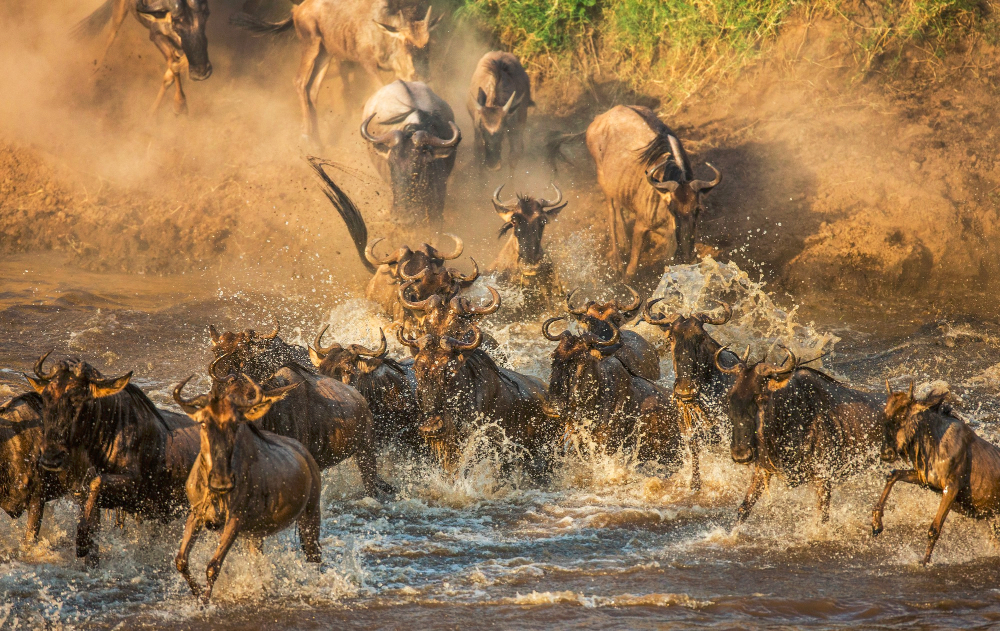
Planning a Serengeti migration safari? This 6 day journey takes you to the heart of the Serengeti National Park to witness the greatest wildlife spectacle on Earth. The Great Wildebeest Migration is a continuous movement of over 1.5 million wildebeest, accompanied by hundreds of thousands of zebras and gazelles, as they follow the rains and fresh grass. A Serengeti migration safari offers the chance to see dramatic river crossings, calving season, and intense predator action.
The Serengeti wildebeest migration destination is one of the most famous wildlife areas in the world. The Serengeti covers 14,750 square kilometers of endless plains, woodlands, and rivers. A Serengeti migration safari is best experienced during the dry seasons when the herds are concentrated and easier to spot. This comprehensive guide covers everything you need to know about this incredible adventure.
For those interested in combining parks, the Serengeti Ngorongoro combined safari allows you to also visit the Ngorongoro Crater. However, this 6 day safari focuses exclusively on the Serengeti to maximize your time with the migration.
This 6 day migration safari is specifically designed for travelers who want to focus on the Great Wildebeest Migration. The tour starts and ends in Arusha, with domestic flights to the Serengeti to save time. You will spend 5 full days in the Serengeti, moving between different regions to follow the migration herds. A Serengeti migration safari allows you to witness the full cycle of the migration, from the calving season in the south to the dramatic river crossings in the north.
The Serengeti is divided into three distinct regions: the southern Serengeti (Ndutu area), the central Serengeti (Seronera), and the northern Serengeti (Kogatende). Each region offers different migration experiences. The southern Serengeti is best for calving season from January to March. The central Serengeti is good for year-round game viewing. The northern Serengeti is best for river crossings from July to October.
A Serengeti migration safari includes park entry fees, accommodation, meals, game drives, and professional guiding. The tour uses 4×4 safari vehicles with pop up roofs for optimal wildlife viewing. You will stay in mobile tented camps that move with the migration, ensuring you are always close to the action.
A Serengeti migration safari offers the most comprehensive migration experience available. By spending 5 full days in the Serengeti, you have the best chance of witnessing dramatic river crossings, calving events, and predator action. The longer duration allows you to move with the herds and experience different regions of the park.
This tour is ideal for photographers who want to capture the migration in all its glory. The golden hour light in the Serengeti is spectacular, and the dramatic action of river crossings provides unforgettable images. A Serengeti migration safari also offers excellent value, as you maximize your time in the park while minimizing travel time.
The wildebeest migration timing guide helps you plan your visit for the best action. The calving season from January to February offers dramatic predator action with lions, cheetahs, and hyenas hunting newborn calves. The river crossings from July to October are spectacular, with thousands of animals plunging into crocodile infested waters.
Upon arrival at Kilimanjaro International Airport, you will be met by our representative and transferred to Arusha for a briefing. You will then take a domestic flight to the Serengeti National Park, landing at the airstrip closest to the current migration location. The flight takes approximately 1.5 hours and offers stunning aerial views of the Rift Valley and the Ngorongoro highlands.
Upon landing, you will be met by your safari guide and begin your first game drive in the Serengeti. Your guide will take you to areas where the migration herds have been sighted. You will have a picnic lunch in the bush before continuing your game drive. In the late afternoon, you will drive to your mobile tented camp for dinner and overnight.
After an early breakfast, you will depart for a full day game drive in the central Serengeti. The central Serengeti, also known as the Seronera area, is famous for its year-round wildlife viewing. The Seronera River attracts animals even during the dry season, making this a reliable area for game viewing.
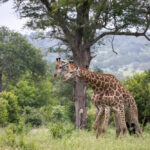
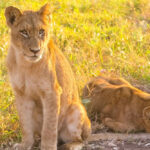
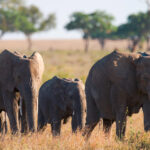
You will carry a picnic lunch to maximize your time in the park. Your guide will take you to the best areas for wildlife viewing based on recent sightings. The central Serengeti is known for its large lion prides, leopards, and cheetahs. You may also see elephants, giraffes, buffalo, and hippos.
In the late afternoon, you will return to your camp for dinner and overnight. Your camp staff will brief you on the next day plan based on the migration location.
If you are visiting between December and March, you will spend the day in the southern Serengeti. The Ndutu area is the calving grounds for the wildebeest migration. During this time, over 8,000 calves are born each day, attracting large numbers of predators.
You will witness newborn wildebeest calves taking their first steps within minutes of being born. Lions, cheetahs, hyenas, and leopards are all active during calving season, creating dramatic predator-prey interactions. The short grass plains make wildlife spotting easy, and the light is beautiful for photography.
If you are visiting between April and June, you will focus on the western Serengeti corridor where the herds gather before crossing the Grumeti River. The Grumeti River crossings are dramatic, with large crocodiles waiting to ambush the crossing wildebeest.
If you are visiting between July and October, you will spend the day in the northern Serengeti. The Kogatende area is where the wildebeest cross the Mara River, the most dramatic river crossing of the entire migration. The Mara River is deeper and wider than the Grumeti, and the crossings are spectacular.
You will position yourself along the riverbanks, waiting for the herds to gather and cross. The crossings are unpredictable and can happen at any time. Patience is essential. When the crossing happens, you will witness thousands of wildebeest and zebras plunging into the water while crocodiles attack from below.
Your guide will use radio communication to locate crossing points and get you into position. You may see multiple crossings in one day if you are lucky.
Today you will continue following the migration herds. Your guide will decide which area to visit based on the movement of the herds. You may return to the northern Serengeti for more river crossings, or move to the eastern Serengeti where the herds gather before the rains.
You will have another full day game drive with a picnic lunch in the bush. This is your last full day in the Serengeti, so your guide will make every effort to ensure you see the best action. You may also visit a Maasai village to learn about the local culture.
In the late afternoon, you will return to your camp for a farewell dinner. Overnight at your camp in the Serengeti.
After an early breakfast, you will enjoy a final morning game drive in the Serengeti. This is your last chance to capture any sightings you may have missed. You will then drive to the airstrip for your flight back to Arusha.
Upon arrival in Arusha, you will have lunch before being transferred to Kilimanjaro International Airport for your departure flight. Depending on your flight schedule, you may have time to visit the Arusha Cultural Heritage Centre or shop for souvenirs at the local markets.
This marks the end of your Serengeti migration safari. You will leave with incredible memories of the greatest wildlife spectacle on Earth.
The best time for a Serengeti migration safari depends on what you want to see. Here is a month-by-month breakdown:
The success rate for seeing river crossings during a Serengeti migration safari is about 70 percent during peak season (August to October). Crossings are unpredictable, and patience is essential. Spending 3 to 5 days in the northern Serengeti increases your chances significantly.
The calving season is from January to March, with the peak in February. During this time, over 8,000 wildebeest calves are born each day, attracting large numbers of predators. This is the best time for predator action photography.
Yes, children of all ages are welcome. The mobile tented camps are family-friendly, and the game drives are suitable for children. However, the long days in the vehicle may be challenging for young children.
Yes, most nationalities require a visa for Tanzania. Visas can be obtained online before travel or on arrival at Kilimanjaro International Airport. The cost is 50 dollars for most nationalities.
A Serengeti migration safari offers the most comprehensive migration experience available. From the calving season in the south to the dramatic river crossings in the north, you will witness the full cycle of the greatest wildlife spectacle on Earth. Book your Serengeti migration safari today and experience nature at its most spectacular.