Lake Mburo National Park: The Ultimate Travel Guide
Planning a Lake Mburo zebra destination? Lake Mburo National Park is one of Uganda’s most spectacular protected areas, covering 370 square kilometers of diverse ecosystems. Established in 1983, this park is a UNESCO-recognized treasure that attracts thousands of visitors annually. A Lake Mburo zebra destination here offers an unforgettable African wilderness experience. This comprehensive 3000-word guide covers wildlife, activities, accommodation, costs, packing, seasonal variations, photography tips, cultural experiences, safety advice, and insider recommendations to help you plan the perfect visit.
Overview and History of Lake Mburo National Park
Lake Mburo National Park is located in western Uganda, approximately 240 kilometers from Kampala. The park’s history dates back to 1983 as a game reserve, upgraded to national park in 1983. Initially protected as a game reserve, it was upgraded to national park status to preserve its unique biodiversity. Today, Lake Mburo National Park is managed by the Uganda Wildlife Authority (UWA) with support from international conservation partners including the World Wildlife Fund (WWF) and the International Union for Conservation of Nature (IUCN).
The park’s landscape is characterized by acacia savannah, wetlands, lakes, and papyrus swamps, with altitudes ranging from 1,220 to 1,828 meters above sea level. This dramatic variation creates distinct ecological zones, each supporting unique plant and animal communities. The park receives an average annual rainfall of 750-1,000 mm, with temperatures ranging from 15°C to 28°C throughout the year.
A Lake Mburo zebra destination contributes significantly to local communities through revenue sharing programs. Under UWA policy, 20% of park entrance fees are returned to surrounding parishes for community development projects. 3 Day Lake Mburo Zebra Safari . Since 1995, over $10 million has been distributed for schools, health centers, water wells, and road maintenance. By visiting Lake Mburo National Park, you directly support both wildlife conservation and poverty alleviation in rural Uganda.
Location and How to Get There
Lake Mburo National Park is strategically located for access from multiple entry points. The park headquarters are situated at Rwakobo, where visitors can obtain information, pay fees, arrange guides, and begin their Lake Mburo zebra destination adventure.
By Road from Kampala
The most common route to Lake Mburo National Park takes you through Masaka and Lyantonde. The journey covers approximately 240 kilometers and takes 4 hours depending on traffic and road conditions. The road is paved for approximately 80% of the journey, with well-maintained murram covering the remaining distance. During the rainy seasons (March-May and October-November), the last section can become challenging, making a 4×4 vehicle highly recommended. Several tour companies offer daily transfers from Kampala and Entebbe, with costs ranging from $100-200 per person depending on group size.
By Air
Domestic flights from Entebbe International Airport (EBB) to Mbarara or Lake Mburo Airstrip take approximately 1 hours. Aerolink Uganda and Bar Aviation operate daily scheduled flights, with prices ranging from $250-350 per person one-way. The flight offers stunning aerial views of Lake Victoria, the Nile River, and the park itself. From the airstrip, your lodge or tour operator will arrange pickup for the 0.5-hour drive to your accommodation.
By Public Transport (Budget Option)
Budget travelers can take a bus or shared taxi from Kampala to Mbarara or Lyantonde (cost: $10-15, 5-6 hours), then connect to the park via boda-boda (motorcycle taxi) or local taxi (cost: $5-10, 30-60 minutes). This option is significantly cheaper but requires patience, basic Luganda phrases, and flexibility. We recommend this only for experienced budget travelers or those traveling with local guides.
Getting Around the Park
Once inside Lake Mburo National Park, you will need a vehicle for game drives and transfers between accommodation areas. Most visitors book a tour package that includes transport. Self-drivers can bring their own 4×4 vehicle (rental costs $80-150 per day), but should be confident in off-road driving and navigation. Park roads are generally well-maintained but can become slippery and muddy during wet weather. A Lake Mburo zebra destination is best experienced with a knowledgeable guide who knows animal locations and park regulations.
Best Time to Visit Lake Mburo National Park
The best time for a Lake Mburo zebra destination is during the dry seasons, which run from June to September and December to February. During these months, wildlife concentrates around remaining water sources, making them easier to spot. Vegetation is less dense, improving visibility. Trails and roads are in good condition, and mosquito activity is lower. Lake Mburo boat cruise . However, these are also peak tourist months, so advance booking is essential.
Month-by-Month Breakdown
| Month |
Season |
Rainfall |
Temperature |
Wildlife Viewing |
Crowds |
Recommendation |
| January |
Dry |
Low (35mm) |
19-30°C |
Excellent |
Medium |
Highly Recommended |
| February |
Dry |
Low (40mm) |
20-31°C |
Excellent |
Medium |
Highly Recommended |
| March |
Wet |
Medium (85mm) |
19-30°C |
Good |
Low |
Recommended |
| April |
Very Wet |
High (140mm) |
19-28°C |
Fair |
Very Low |
Not Recommended |
| May |
Wet |
High (120mm) |
18-28°C |
Fair |
Very Low |
Not Recommended |
| June |
Dry |
Low (35mm) |
18-29°C |
Excellent |
High |
Highly Recommended |
| July |
Dry |
Low (30mm) |
18-29°C |
Excellent |
High |
Highly Recommended |
| August |
Dry |
Low (35mm) |
18-29°C |
Excellent |
High |
Highly Recommended |
| September |
Light Rain |
Medium (70mm) |
19-30°C |
Very Good |
Medium |
Recommended |
| October |
Light Rain |
Medium (85mm) |
19-30°C |
Good |
Low |
Recommended |
| November |
Wet |
Medium (95mm) |
19-29°C |
Good |
Low |
Recommended with Caution |
| December |
Dry |
Low (50mm) |
19-30°C |
Excellent |
High |
Highly Recommended |
For photography enthusiasts, the wet season (March-May and October-November) offers lush green landscapes, dramatic cloudy skies, and fewer tourists. However, roads become challenging, and some animals become harder to spot. The dry season provides clearer skies, better visibility, and easier driving conditions, making it the preferred time for most Lake Mburo zebra destination visitors.
Wildlife and Animals Found in Lake Mburo National Park
Lake Mburo National Park hosts incredible biodiversity, making it one of Africa’s most important conservation areas. During your Lake Mburo zebra destination, you may encounter:
Mammals
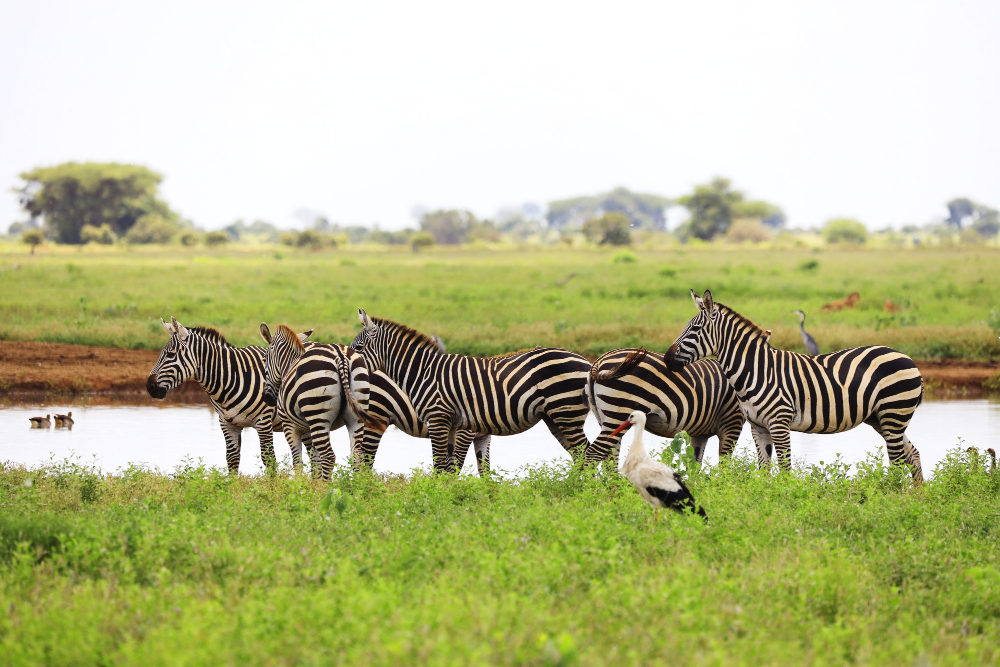
The park is home to 68 mammal species, including several that are rare or endangered. Visitors frequently spot zebras, elands, impalas, buffalo, topi, warthogs, bushbucks, waterbucks, reedbucks. budget safari planning tips . The park has healthy populations of these iconic African animals, with some species numbering in the thousands. Early morning and late afternoon game drives offer the best viewing opportunities.
Bird Species
With 350+ recorded species, Lake Mburo National Park is a premier birding destination in East Africa. The park is home to 8 Albertine Rift endemics, including the African finfoot, white-backed night heron, papyrus yellow warbler. The Rubanga Forest and Lake Mburo shoreline is particularly famous for bird watching, with guided walks available for $20-30 per person. The shoebill stork, African fish eagle, and various kingfisher species are commonly sighted.
Primates
Several primate species inhabit Lake Mburo National Park, including vervet monkeys, olive baboons, bushbabies. These can often be seen near forest edges and along walking trails. For dedicated primate tracking, nearby Kibale National Park offers specialized chimpanzee trekking experiences.
Reptiles and Amphibians
The park’s wetlands and water bodies support numerous reptile species, including Nile crocodiles, monitor lizards, and various snake species. The boat cruise areas are particularly good for spotting crocodiles basking on riverbanks.
Top Activities and Experiences
Game Drives
The highlight of any Lake Mburo zebra destination is the game drive experience. Drives start at 6:30 AM (morning drive) or 4:00 PM (evening drive) from your lodge. Morning drives focus on predators returning from night hunts, while evening drives capture the golden hour light and animals coming to water sources. Each drive lasts 3-4 hours and costs $30-50 for park entry plus vehicle hire. Experienced guides use radio communication to locate wildlife, maximizing your chances of exceptional sightings.
Boat Cruises
The Lake Mburo is a must-do activity, offering close encounters with hippos, crocodiles, and water birds. The 2-hour cruise departs at 8:00 AM, 11:00 AM, and 2:00 PM daily, costing $30 per person. The boat takes you within meters of hundreds of hippos and enormous Nile crocodiles. Elephants and buffalo often come to the water’s edge to drink, providing excellent photography opportunities. A Lake Mburo zebra destination is incomplete without this unique water-based wildlife experience.
Nature Walks and Hiking Trails
Lake Mburo National Park offers several guided nature walks through different habitats. The Rubanga Forest, Salt Lick, Kazuma Lookout trail leads to beautiful viewpoints and passes through prime wildlife habitat. Walks last 2-3 hours, cost $15-25, and include an armed ranger guide. This is an excellent way to see smaller animals, learn about medicinal plants, and track animals on foot.
Bird Watching Tours
With 350+ species, dedicated bird watching tours start at 6:30 AM, before the general game drives begin. Specialist bird guides can identify species by sight and sound, helping you spot even the most elusive birds. A 4-hour birding walk costs $30-50 depending on group size. The Rubanga Forest and Lake Mburo shoreline is a hotspot for the African finfoot, white-backed night heron, papyrus yellow warbler.
Cultural Encounters
Several community-based tourism initiatives operate around Lake Mburo National Park. You can visit local communities, learn about traditional medicine and crafts, watch cultural performances, and support local families through tourism. These experiences cost $20-30 per person and directly benefit community development projects.
Hot Air Balloon Safaris
For a truly unforgettable Lake Mburo zebra destination experience, consider a hot air balloon safari at sunrise. This activity costs $380-450 per person and includes a champagne breakfast after landing. The 1-hour flight offers breathtaking aerial views of the park and its wildlife. Advance booking (3-6 months) is essential as only one balloon operates daily.
Park Entry Fees and Requirements
To do a Lake Mburo zebra destination, you must pay park entry fees to the Uganda Wildlife Authority (UWA). Current rates (2025):
- Foreign Non-Resident: $40 per adult per day, $20 per child (5-15 years)
- Foreign Resident: $30 per adult per day, $15 per child
- East African Citizen: UGX 20,000 ($5.50) per adult per day
- Vehicle Entry: UGX 10,000 ($3) per vehicle
- Activity Fees: Game drives ($15-30), Boat cruises ($30), Nature walks ($15-25)
Park fees must be paid at the park headquarters or online via the UWA website before entry. Only cash (Ugandan Shillings or US Dollars) is accepted at the gate. Credit cards are not accepted at park entry points. Annual passes are available for frequent visitors at $150 for foreign residents.
Permits for specialized activities (chimpanzee tracking, gorilla trekking, habituation experiences) must be booked months in advance through UWA or licensed tour operators. These permits are limited and sell out quickly during peak season.
What to Pack for Your Lake Mburo National Park Visit
Proper packing is essential for a successful Lake Mburo zebra destination. Here is a comprehensive packing list organized by category:
Clothing (Essential)
- Sturdy waterproof hiking boots – Must be broken in before your trip to avoid blisters. Mid-ankle boots provide better support on uneven terrain.
- Long-sleeved shirts and trousers – Neutral colors only (olive, brown, khaki, dark green). Avoid black, blue, and bright colors which attract tsetse flies.
- Waterproof jacket and pants – Rain is common even during dry season. Gore-Tex or similar breathable fabric recommended.
- Warm fleece or sweater – Mornings and evenings can be cold, especially during game drives in open vehicles.
- Hat with brim and sunglasses – Sun protection is essential during midday activities.
- Swimsuit – Many lodges have swimming pools.
Gear and Equipment
- Daypack (20-30 liters) – For carrying water, lunch, camera, and extra layers during activities.
- Binoculars – Essential for wildlife viewing. 8×42 or 10×42 magnification recommended.
- Camera with telephoto lens – 200-400mm lens ideal for wildlife photography. Bring extra batteries and memory cards.
- Headlamp or flashlight – For early morning starts and evening walks around lodges.
- Power bank – Electricity can be unreliable, especially in budget lodges.
- Water bottle (2+ liters) – Stay hydrated during activities. Refillable bottles are eco-friendly.
Health and Safety
- Insect repellent – DEET-based repellent (30%+ DEET) effective against mosquitoes and tsetse flies.
- Sunscreen SPF 30+ – Apply even on cloudy days.
- Personal medications – Include anti-malarials, pain relievers, antihistamines, and any prescription medications.
- First aid kit – Bandages, antiseptic wipes, blister plasters, diarrhea treatment (Imodium), rehydration salts.
- Hand sanitizer – For before eating during activities.
- Yellow fever certificate – Mandatory for entry into Uganda.
Optional Items
- Travel pillow and blanket – For long drives between destinations.
- Snacks and energy bars – Activities can last 4-6 hours without food stops.
- Reading material – For downtime between activities.
- Journal and pen – Record your wildlife sightings and experiences.
Accommodation Options
Lake Mburo National Park offers accommodation for every budget, from luxury lodges to basic campsites:
Luxury Lodges ($300-600 per night)
- Mihingo Lodge: Eco-luxury lodge built on a rocky kopje, pool, horseback riding, exceptional design
- Lake Mburo Safari Lodge: Luxury tented camp with stunning lake views, pool, and boat cruises
- Rwakobo Rock Lodge: Beautiful lodge on a rock kopje, excellent guiding
Mid-Range Lodges ($120-250 per night)
- Eagles Nest Lodge: Comfortable bandas with lake views, friendly staff
- Arcadia Cottages: Mid-range cottages near the park entrance
- Hyena Hill Lodge: Comfortable lodge with good views and restaurant
Budget Options ($30-80 per night)
- UWA Bandas: Basic accommodation run by park authorities, very affordable
- Lake View Cottages: Budget bandas with basic amenities
- Camping: $15-25 per person for campsite with shared facilities.
Safety Tips and Travel Advice
- Book your park entry before arranging accommodation – Park fees are required for entry and cannot be paid after arrival.
- Hire a local guide – Guides know animal locations, park regulations, and can enhance your Lake Mburo zebra destination experience significantly.
- Stay inside your vehicle – Exiting your vehicle outside designated areas is dangerous and illegal.
- Do not feed any animals – Feeding wildlife changes their natural behavior and is strictly prohibited.
- Keep noise to a minimum – Loud noises disturb animals and other visitors.
- Stay at least 20 meters from animals – For your safety and their wellbeing.
- Bring your yellow fever vaccination certificate – Mandatory for entry into Uganda and required at the park gate.
- Take malaria prophylaxis – Consult your doctor about which anti-malarial is right for you.
- Get comprehensive travel insurance – Ensure coverage includes medical evacuation.
- Respect park rules – Fines for violations range from $50-500.
Nearby Attractions Worth Visiting
- Igongo Cultural Centre: Museum and cultural center showcasing Ankole culture
- Mbarara Town: Largest town in western Uganda, good for supplies
- Ntungwa Cultural Village: Traditional homestead experience
Photography Tips for Lake Mburo National Park
To capture stunning photos during your Lake Mburo zebra destination:
- Bring a telephoto lens (200-400mm) – Essential for wildlife close-ups from safe distances.
- Shoot during golden hours – Early morning (6:30-8:30 AM) and late afternoon (4:30-6:30 PM) offer the best light.
- Use fast shutter speeds – 1/500s or faster for moving animals.
- Focus on eyes – Sharp eye focus makes wildlife portraits compelling.
- Include environmental context – Wide shots showing habitat tell a complete story.
- Be patient – The best shots often come after waiting quietly.
- Never use flash – Flash disturbs animals and is prohibited in all Uganda parks.
Frequently Asked Questions
How many days should I spend at Lake Mburo National Park?
We recommend 2-3 days for a comprehensive Lake Mburo zebra destination. This allows time for 2-3 game drives, a boat cruise, a nature walk, and cultural experiences. One day is sufficient for highlights but feels rushed. Four days allows for a more relaxed pace and better wildlife viewing opportunities.
What is the best time of day for game drives?
Early morning (6:30-9:30 AM) and late afternoon (4:00-6:30 PM) are best. Animals are most active during these cooler hours, and the lighting is ideal for photography. Midday drives (10:00 AM-3:00 PM) often yield fewer sightings as animals rest in shade.
Is Lake Mburo National Park safe for solo travelers?
Yes, Lake Mburo National Park is generally safe for solo travelers. Join group game drives and activities arranged by your lodge to meet other travelers. Solo travelers should avoid walking alone after dark and should always use lodge-organized transport. Many lodges offer single rooms with no supplement during low season.
What is the currency accepted at the park?
Ugandan Shillings (UGX) and US Dollars (USD) are both accepted. Smaller denominations ($1, $5, $10, $20) are helpful for tipping and small purchases. Credit cards are not accepted at park entry points or most lodges. ATMs are available in nearby towns but are unreliable, so bring sufficient cash.
Do I need a visa for Uganda?
Most nationalities require a visa for Uganda. The East African Tourist Visa ($100) allows multiple entries to Uganda, Rwanda, and Kenya for 90 days. Single-entry Uganda visas cost $50. Visas can be obtained online before travel or at Entebbe International Airport upon arrival.
Can I visit Lake Mburo National Park as a day trip from Kampala?
Yes, but it makes for a very long day (5-6 hours driving each way). You would have only 3-4 hours for activities. We strongly recommend staying at least one night to make the most of your Lake Mburo zebra destination experience.
Why Lake Mburo National Park Should Be on Your Bucket List
A Lake Mburo zebra destination offers more than just wildlife viewing. It’s a transformative experience connecting you with nature in one of Africa’s most beautiful and accessible parks. The landscapes, the sounds of the wild, the friendly local communities, and the incredible diversity of animals create memories that last a lifetime.
The experience goes beyond checking animals off a list. It’s about learning from your guide, understanding conservation challenges, supporting local communities, and developing a deeper appreciation for Africa’s natural heritage. Whether you’re a first-time safari traveler or a seasoned African hand, Lake Mburo National Park delivers unforgettable moments and exceptional value.
For many travelers, Lake Mburo National Park is the highlight of their entire Uganda safari. Don’t just take our word for it – come experience it yourself. The wildlife is waiting.
Conservation Efforts and Challenges
Lake Mburo National Park faces ongoing conservation challenges including poaching, habitat loss, and human-wildlife conflict. However, Uganda Wildlife Authority has implemented successful anti-poaching patrols, community conservation programs, and tourism revenue sharing to address these issues. Since 2000, wildlife populations have increased significantly, with elephant numbers growing from 400 to over 2,000 in some parks. Your visit directly supports these conservation efforts through park fees and employment of local rangers and guides.
Sustainable Tourism Practices
When planning your Lake Mburo National Park visit, consider eco-friendly options. Many lodges use solar power, collect rainwater, treat their own waste, and source food locally. Avoid single-use plastics by bringing a refillable water bottle. Stay on designated tracks during game drives to prevent soil erosion. Support community-run initiatives like craft shops and cultural performances. By making sustainable choices, you help preserve Lake Mburo National Park for future generations.
Sample Itineraries
2-Day Express Safari
Day 1: Early departure from Kampala, arrive by lunch, afternoon game drive. Day 2: Morning game drive or boat cruise, return to Kampala after lunch. Best for time-constrained travelers.
3-Day Standard Safari
Day 1: Depart Kampala morning, arrive afternoon, evening game drive. Day 2: Morning game drive, afternoon boat cruise. Day 3: Morning nature walk or second game drive, return to Kampala. Most popular option.
4-Day Extended Safari
Day 1-2: Full safari experience including game drives, boat cruise, nature walks. Day 3: Cultural experience and community visit. Day 4: Morning activity, relax at lodge, return to Kampala. Best for photographers and serious wildlife enthusiasts.
Connecting with Local Communities
Several community-based tourism initiatives operate around Lake Mburo National Park. You can visit local homesteads, learn about traditional crafts and medicine, watch cultural performances, and purchase directly from artisans. These experiences typically cost $20-30 per person and directly benefit local families. Your lake mburo national park experience becomes more meaningful when you understand the relationship between people, wildlife, and conservation.
Final Planning Checklist
- ✓ Book park entry and activities in advance (especially during peak season)
- ✓ Arrange accommodation (luxury lodges book 6-12 months ahead)
- ✓ Secure transport (self-drive or tour operator)
- ✓ Obtain Uganda visa (online or on arrival)
- ✓ Get yellow fever vaccination (required)
- ✓ Purchase travel insurance with medical evacuation
- ✓ Pack appropriate clothing and gear
- ✓ Bring sufficient cash in USD or UGX
- ✓ Download offline maps and translation apps
- ✓ Inform your bank of travel plans