Chimpanzee Tracking Tour
Chimpanzee Tracking Tour: Complete Guide to Tracking Our Closest Relatives Planning a wild chimpanzee tracking safari? Chimpanzee tracking is one of Africa most exciting...

Planning a wild chimpanzee tracking safari? Chimpanzee tracking is one of Africa most exciting and intellectually stimulating primate encounters. Watching chimpanzees in their natural forest habitat offers a fascinating glimpse into the lives of our closest living relatives. This comprehensive 1900+ word guide covers absolutely everything you need to know about wild chimpanzee tracking safari including the best destinations, permit costs, preparation tips, fitness requirements, what to pack, photography advice, and exactly what to expect during your unforgettable primate adventure.
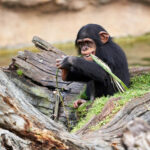
Chimpanzee tracking involves hiking through tropical rainforest to find a habituated chimpanzee community. Unlike gorillas which are relatively sedentary, chimpanzees are highly active and move constantly through the forest. Once located, you spend one precious hour observing these intelligent primates as they feed, groom, play, hunt, and interact with each other. Chimpanzees share approximately 98.8 percent of their DNA with humans, making them our closest living relatives in the animal kingdom.
A wild chimpanzee tracking safari offers unique and fascinating insights into primate behavior that you simply cannot get from a zoo or documentary. Chimpanzees are known to use tools such as sticks to extract termites and stones to crack nuts. They hunt small mammals including monkeys and bush pigs. They have complex social structures with political alliances, friendships, and rivalries. Watching them in the wild is both highly educational and deeply moving.
The experience is quite different from gorilla trekking. Chimpanzees are far more active, vocal, and arboreal, meaning they spend much of their time in the trees. You will hear their loud pant hoot calls echoing through the forest long before you actually see them. Once you find them, you will need to look up into the canopy to watch them feed on fruits, leaves, and sometimes small animals.
Several excellent destinations in East Africa offer high quality chimpanzee tracking experiences. Each destination has its own unique characteristics and advantages for your wild chimpanzee tracking safari adventure.
Kibale National Park is widely regarded as the primate capital of East Africa, and for very good reason. The park protects over 1,500 chimpanzees along with the highest density of primates anywhere in Africa. In addition to chimpanzees, Kibale is home to red colobus monkeys, LHoest monkeys, black and white colobus monkeys, blue monkeys, red tailed monkeys, olive baboons, and bush babies, making it an absolute paradise for primate lovers.
The park is conveniently located near Fort Portal in western Uganda and is easily combined with Queen Elizabeth National Park, Semuliki National Park, and Bwindi Impenetrable National Park for a comprehensive western Uganda safari. Kibale offers multiple habituated chimpanzee communities and a very high success rate for tracking, typically over 90 percent. Chimpanzee permits in Uganda cost 200 dollars for foreign non residents.
Kibale also offers a unique chimpanzee habituation experience where you can spend four hours with a semi wild chimpanzee community. This experience costs 250 dollars and is limited to only four visitors per day. During the habituation experience, you join researchers and trackers as they slowly accustom chimpanzees to human presence, learning about their behaviors and individual personalities.
Nyungwe National Park in Rwanda is home to several habituated chimpanzee communities living in a beautiful mountainous rainforest. The park is famous for its canopy walkway, which offers stunning views of the forest canopy and excellent bird watching opportunities. Nyungwe is less crowded than Kibale, offering a more intimate and private wild chimpanzee tracking safari experience.
Chimpanzee permits in Rwanda cost 200 dollars for foreign non residents. The park is also home to 13 other primate species including the Angolan colobus monkey, LHoest monkey, and the owl faced monkey. Nyungwe is an excellent destination for travelers who want to combine chimpanzee tracking with the canopy walk and bird watching.
Budongo Forest is located within Murchison Falls National Park and is home to over 600 chimpanzees. The forest is famous for its research history, and the Budongo Forest Project has been studying chimpanzees for decades. The chimpanzee tracking experience in Budongo is less commercialized and more research oriented, appealing to serious primatology enthusiasts.
Budongo is conveniently located for travelers who are already visiting Murchison Falls National Park. The permit costs 200 dollars, and tracking is available year round. The forest is also excellent for bird watching with over 300 species recorded.
A wild chimpanzee tracking safari typically starts early at 7:00 AM with a briefing at the park headquarters. You will learn about chimpanzee behavior, safety rules, and what to expect during your trek. You will then be assigned to a specific chimpanzee community based on their location from the previous evening. Trackers go out at dawn to locate the chimpanzees and radio back to the guides, so you are heading in the right direction.
The hike through the forest can take one to four hours depending on where the chimpanzees slept and how far they have moved. The terrain varies from flat to hilly depending on the des Kibale chimpanzee tracking destination tination. Kibale has moderate hills, while Nyungwe is more mountainous and Budongo is relatively flat. The trails can be muddy and slippery during the rainy season, so proper footwear is essential.
Chimpanzees are highly vocal, and you will likely hear their loud pant hoots, screams, and barks long before you actually see them. Your guide will help you interpret their calls, which can indicate feeding, alarm, travel, or social interaction. The sounds of chimpanzees echoing through the forest is an unforgettable experience in itself.
Once the chimpanzees are located, you have one hour to observe them. Chimpanzees move quickly through the trees and on the ground, so you need to be attentive and follow your guides instructions. You may see them feeding on fruits or leaves, grooming each other to remove parasites and strengthen social bonds, playing and wrestling, or resting in the afternoon heat.
You must stay at least 10 meters away from the chimpanzees to protect them from disease transmission. If you are sick with a cold or flu, do not go chimpanzee tracking, as chimpanzees are highly susceptible to human respiratory illnesses. Wear a face mask when within 10 meters of the chimpanzees as an additional precaution.
A wild chimpanzee tracking safari requires a government issued permit. Current permit prices are as follows:
Permits are limited to 8 to 12 visitors per chimpanzee community per day depending on the park. The habituation experience is limited to only 4 visitors per day. Permits should be booked 2 to 6 months in advance, especially during peak season from June to September and December to February. During low season, permits may be available with only a few weeks notice.
Your tour operator can handle permit booking for you. The process is straightforward, but you will need to provide your passport details and travel dates. Permits are non refundable but may be transferable to another person with sufficient notice.
The best time for a wild chimpanzee tracking safari is during the dry seasons from June to September and December to February. During these months, the forest trails are less muddy and easier to navigate, and the chimpanzees are easier to locate as they stay at lower altitudes where food is abundant. The dry season also offers better photography conditions with clearer skies and more consistent light.
However, chimpanzee tracking is absolutely possible year round. The wet seasons from March to May and October to November bring heavier rains that make trails slippery, but the forest becomes incredibly lush and beautiful. The chimpanzees are still active, and you will encounter far fewer tourists during the wet season. Some bird watchers actually prefer the wet season for the abundant bird life.
The forest receives rainfall throughout the year, so you should always be prepared for rain regardless of season. The temperature remains fairly constant year round, ranging from 15 to 28 degrees Celsius depending on altitude.
Proper packing is ess Nyungwe canopy walk destination ential for a successful wild chimpanzee tracking safari experience. Here is what you need to bring:
Chimpanzee tracking is generally less strenuous than gorilla trekking. The terrain is typically less steep, and the altitudes are lower. However, you still need reasonable fitness to enjoy the experience. Treks can last 2 to 4 hours, and you may be walking on uneven, muddy trails. People of all ages and fitness levels successfully complete chimpanzee treks, but those with serious mobility issues should consult their doctor before booking.
The minimum age for chimpanzee tracking varies by park but is generally 12 to 15 years. The habituation experience has a minimum age of 15 years. Porters are available at most parks for 10 to 15 dollars per trek to carry your daypack and help with difficult sections.
To prepare for your trek, consider hiking on uneven terrain and doing cardiovascular exercise such as walking, jogging, or cycling. Stair climbing is excellent preparation for the hilly sections you may encounter in Kibale or Nyungwe.
Capturing your wild chimpanzee tracking safari on camera requires some specific preparation. Your camera must have absolutely no flash capability, or you must know how to disable the flash. Flash is strictly prohibited because it distresses the chimpanzees and can cause aggressive behavior.
A telephoto lens of 200 to 400mm is ideal for chimpanzee photography. Chimpanzees are often high in the canopy, so you need a long lens to capture them clearly. A zoom lens gives you flexibility as the chimpanzees move through the trees.
Use a fast shutter speed of at least 1/500 second to freeze the chimpanzees rapid movements. The forest is dark, so you will need to increase your ISO to 800, 1600, or higher. Focus on the chimpanzees eyes for compelling portraits.
Take video as well as still photos. The vocalizations and rapid movements of chimpanzees are best captured in video. A short video clip will bring back memories in a way that still photos cannot.
Bring extra batteries and memory cards. Cold temperatures and heavy use can drain batteries faster than usual, and you will take many more photos than you expect.
Your wild chimpanzee tracking safari will be conducted with safety as the highest priority. Armed rangers accompany every trekking group in some parks to protect against forest elephants and buffalo. Listen carefully to your guide and ranger instructions at all times.
Stay at least 10 meters away from the chimpanzees at all times. This protects both you and the chimpanzees from disease transmission. If a chimpanzee approaches you, move back slowly and calmly.
If you are sick with a cold, flu, fever, or any contagious illness, do not trek. Chimpanzees are highly susceptible to human diseases, and respiratory infections can be fatal to them. The park authorities will deny you access if you appear unwell.
Do not eat or drink within 200 meters of the chimpanzees. Food smells can attract chimpan experienced chimpanzee tracking guide zees and change their natural behavior. Finish your snacks and water before you reach the chimpanzees.
Bring your yellow fever vaccination certificate. It is mandatory for entry into Uganda and Rwanda, and you may be asked to show it at the park headquarters.
Take malaria prophylaxis as recommended by your doctor. Use insect repellent and wear long sleeves and pants to reduce mosquito bites.
The success rate for chimpanzee tracking is over 90 percent in Kibale and Nyungwe. Trackers monitor the chimpanzees overnight, so guides know where to go each morning. If you do not see chimpanzees, some parks may offer a partial refund or a second tracking opportunity.
Standard chimpanzee tracking gives you one hour with a fully habituated chimpanzee community. The habituation experience gives you four hours with a semi habituated community being prepared for tourism. You will join researchers and trackers, learning about chimpanzee behavior and individual personalities. The habituation experience is much more educational and intimate.
Yes, absolutely. Many travelers combine chimpanzee tracking in Kibale with gorilla trekking in Bwindi. The two parks are only a few hours apart, making it easy to do both on the same trip. This combination offers a comprehensive primate safari experience.
The minimum age is 12 years for standard tracking and 15 years for the habituation experience. Check with your specific park for their age requirements, as they may vary.
A wild chimpanzee tracking safari offers a fascinating glimpse into the lives of our closest living relatives. The intelligence, social complexity, and tool use of chimpanzees never fail to amaze visitors. From watching a mother care for her infant to hearing the loud pant hoot calls echoing through the forest, the experience is both educational and deeply moving.
For many travelers, chimpanzee tracking is the absolute highlight of their East African safari. The combination of physical activity, stunning forest scenery, and incredible primate encounters makes it an unforgettable adventure. Book your wild chimpanzee tracking safari today and discover the magic of these remarkable animals.